Empty Rations
A climber with more than seven years of experience came down from a Freerider attempt without a send. Their explanation was blunt: they had run out of food. During the last two days, they could no longer free even 5.10 pitches. That is a much more uncomfortable account of preparation than a list of grades.
This article draws on the supplied digest of a climbing-community discussion. The original thread link was not supplied. Route grades and equipment choices below remain the poster’s reported experience, rather than a route guide or an individual training plan.
When the food bag emptied
In the supplied account, the poster had just returned from a semi-ground-up Freerider attempt without a send. They had pre-hauled supplies to Heart Ledges. The main reason, they say, was running out of food, a stupid mistake. By the last two days they could no longer free 5.10 pitches. They had climbed for over seven years, starting with bouldering and competitions as a teenager, and had about two years of trad experience. Self-rated roughly V9 boulder, not in the style of Freerider’s boulder problem, more board-proficient; sport 5.12+ in a couple of goes; generally onsight 5.11 trad in most styles. Their partner had a similar background, with a little more ability in trad and a little less in bouldering.
The poster also writes that people interested in Freerider roughly split into two camps. One has more trad experience; the other more sport and bouldering. They have more advice for the second camp, and guess most readers fall there. Jacob and Bronwyn’s Freerider guide is useful and still missing pieces.
The cost of sustained climbing
The poster emphasizes Freerider’s sustained workload. Past Heart Ledges there are essentially no pitches easier than 5.10, apart from the last pitch and a short scramble with one fifth-class move to Hollow Flake. Among the hardest pitches, the second enduro corner is about 12b, the boulder about 13a or V7-ish, a techy granite sequence; they used the exact Free Solo beta. About nine pitches include some wide climbing, hardest being Monster Offwidth (downclimb about 11d, offwidth about 11a) and Scotty Burke (about 10d, harder moves but less sustained).
Even some 5.9 wide, especially the second-to-last pitch, felt sandbagged. Several 5.10+ sections run out: the pitch before the Boulder, The Sewer, the pitch after the block; the first fifteen feet of the second enduro also take poor gear. In fall the sun hits around 9am; working the boulder and enduro corner in sun is very hard.
Systems that still needed work
The poster’s recommendations focus on preparation. Dial your systems, then dial them more than you think. Go do smaller walls. The poster had done two multi-day walls, both aid, and was nowhere near as logistically dialed as they thought. Go climb in Yosemite; glacier-polished granite is hard to replace, and even El Cap feels different from other valley granite. Do big multis to dial logistics, practice hauling, belay transitions, fuel and hydrate.
Practice multiple days on, get comfortable with high volume of burly climbing. Do a lot of burly blue-collar crack, climb something like Astroman again; consistent onsight of Yosemite 5.11 in any style means fewer repeats. Get good at wide, especially tipped #6 to tight #7; Scotty Burke’s crux sits around that size, Monster is that size almost the whole pitch. Bring a #7; Hollow Flake will thank you, and it helps on Monster.
The rack runs from tiny Totems and regular cams to #7, RPs, offset nuts, sport and alpine draws; bring it again, or trim by habit. The poster places a bit more gear than most; Totems could swap for offsets.
What to change before returning
The discussion then turns to returning. One commenter asks when they will get back on and how busy it was. The poster answers spring, partner dependent; before the alcove they saw three other parties, some Kiwis on a 3–4 day ascent, a rope soloist on the Salathé, a party on Golden Gate at the alcove where FR and GG split, a French couple on the Salathé, a German duo who rapped in to work the Salathé headwall.
Another commenter writes the dream of being the first Indian national to free-climb El Capitan, currently gym 5.11, almost no crack or multi-pitch. Someone asks boulder, sport, and trad grades for calibration. The poster answers roughly V9, 5.12+ in a couple goes, onsight 5.11 trad in most styles, enough to attempt freeing Freerider but on the lower end of margin. Others ask about granite experience and preparation for Freeblast; someone in the PNW with Index, Squamish, and two to four weeks a year in Yosemite still feels short on wide and plans a shed with wide cracks.
Someone asks whether Bronwyn’s ebook is online yet.
Grades still help estimate the margin available on hard pitches. Food, hydration and the demands of consecutive days on the wall also need a place in the plan. Discussing them leaves the ambition to climb Freerider intact.
The useful admission here is that the systems were not ready. Blaming everything on insufficient grades would overlook the empty food bag; using the empty bag to dismiss technical preparation would overlook the wide climbing and sustained workload. Independent judgment means working from the conditions you actually have. The goal can remain, with a more specific understanding of what the next attempt needs.
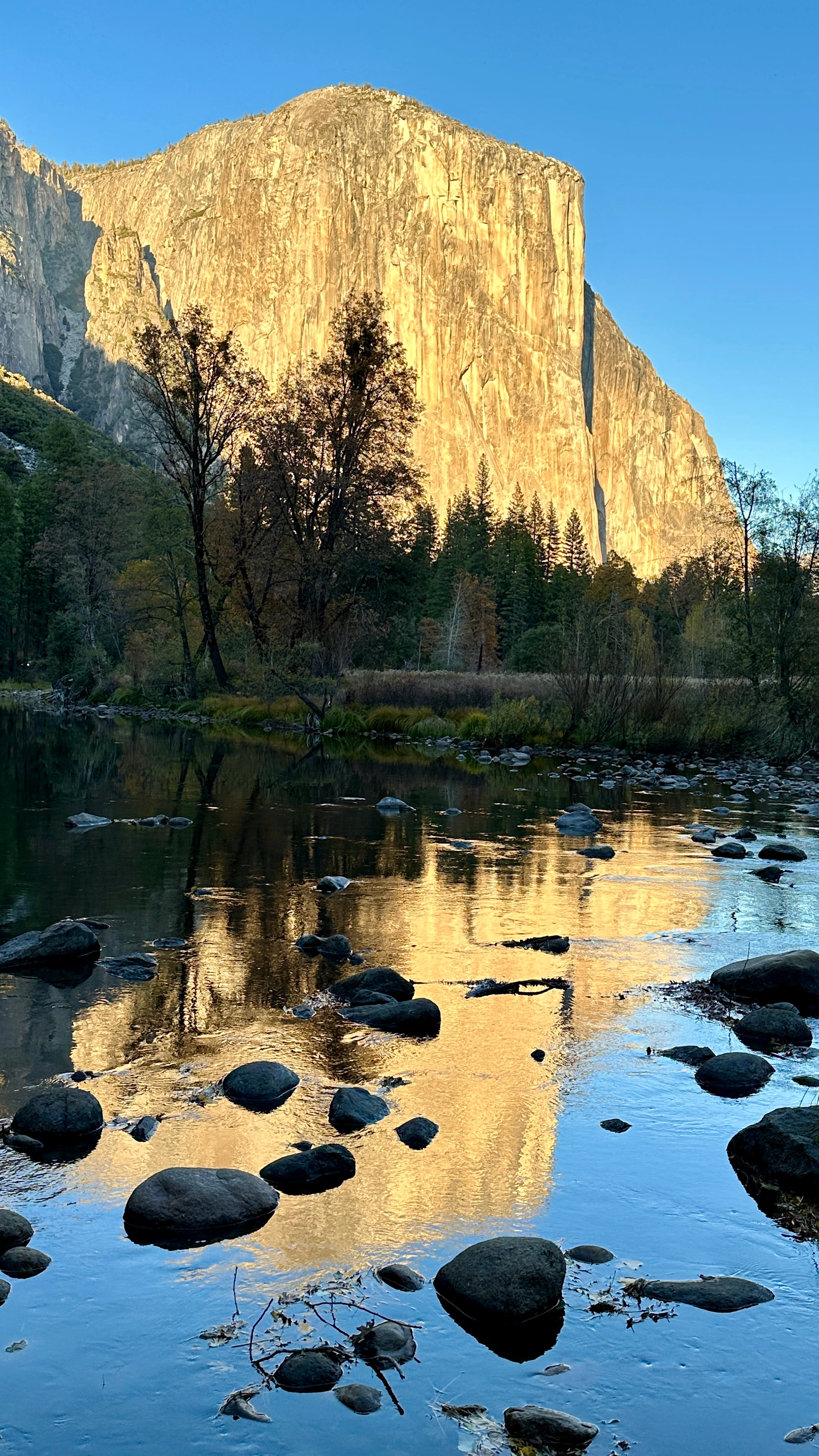
El Capitan and river valley, a topic illustration rather than a photograph of the reported attempt. lamblukas / CC BY 2.0. https://www.flickr.com/photos/29043563@N00/53324707744/ https://creativecommons.org/licenses/by/2.0/ Full frame retained; resized and compressed to WebP.