Forest Edge
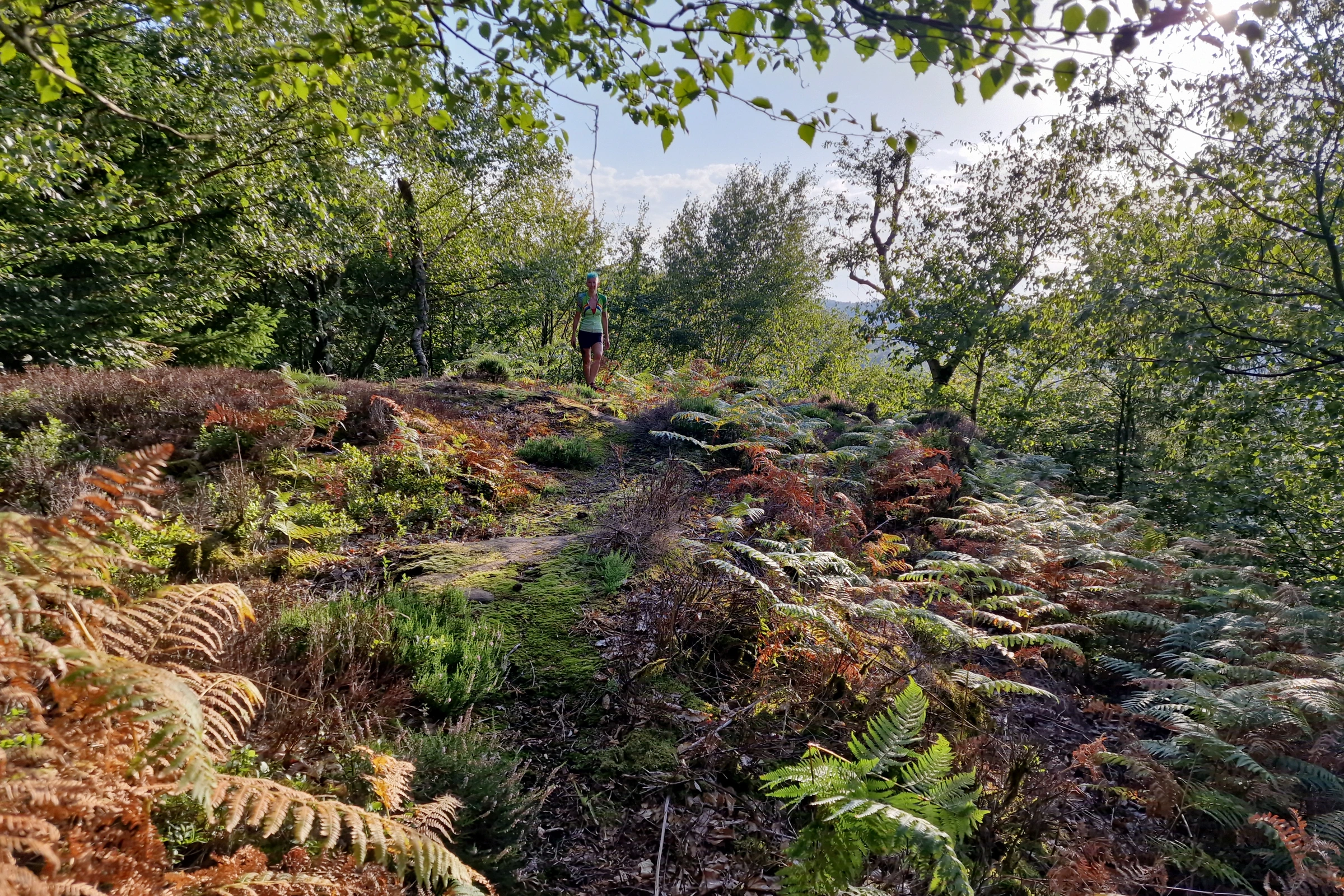
What is THE MOST effective way of lowering cortisol and stress? In the supplied account, that title was the entire post. It had about 145 upvotes and roughly 98 comments after cleanup, with no personal measurements or lab screenshot. The most popular answer was a walk in nature, even in a neighborhood with plenty of trees.
In a conversation often drawn toward stronger supplements and more elaborate protocols, that answer brought ordinary conditions back into view. Mindful walking, boundaries, sleep, and the question of whether cortisol had actually been measured all mattered. Forest Edge names the everyday details that the search for “the most effective” can push aside.
These are community accounts and opinions preserved from the supplied manuscript. Vote counts describe the discussion, not a ranking of treatments. Supplement names, breathing practices and relationship advice do not amount to instructions to diagnose yourself, stop prescribed medication, or leave a relationship.
A neighborhood with trees
The leading comment, with about 146 votes, suggested walking in nature, including a tree-lined neighborhood. A reply with about 45 votes added mindfulness: no podcasts and no running through the to-do list while walking.
That gives the question a practical setting. A walk spent mentally working through tasks differs from one in which you notice your surroundings. But popularity does not establish a universal 20,000-step target, and mentioning walks does not settle every question about supplements. It asks whether the search for the next intervention has overlooked ordinary life.
Boundaries and testing answer different questions
A comment with about 111 votes urged changes in lifestyle and firmer boundaries. It argued that sacrificing health for someone or something consistently harmful was not noble. “‘No’ is a full sentence.” Another, with about 42 votes, suggested leaving a consistently stressful partner, friend or family member, or at least establishing strong boundaries. A roughly 33-vote reply put the cost plainly: if it costs you your peace, it is too expensive.
A comment with about 25 votes combined reducing contact with the source of stress, daily meditation and time in nature. The much sharper “Divorce” reply, at about seven votes, belonged to the same conversation. It cannot decide another reader’s relationship, circumstances or safety.
A roughly 58-vote commenter then asked whether high cortisol had actually been tested. Had the person simply heard “stress hormone,” felt stressed, and assumed their level was high? The commenter discussed cortisol’s normal role and circadian rhythm, arguing against trying to lower it indiscriminately, especially first thing in the morning.
That comment mentioned Lithium Orotate in relation to stress itself and PS100, or phosphatidylserine, in relation to cortisol. Those names remain part of the account, not supplement endorsements. Another commenter, at about 25 votes, described poor sleep, waking too early and weight gain as clearer signals, and disputed the equation of stress or anxiety with high cortisol. This remains the commenter’s interpretation; symptoms are not a lab result.
A five-vote reply asked whether the person knew their levels or understood cortisol’s functions, and advised speaking with an endocrinologist before intervening. That distinction leaves room to take felt stress seriously while also asking a separate medical question. Whether walking feels helpful and whether someone has an endocrine problem need different kinds of assessment.
Breath, coffee and eating enough
The account also includes short-term coping ideas. A roughly 39-vote comment mentioned ice packs on the back of the neck or top of the head, and slow inhalations of vetiver, hyssop or tuberose oils. Recording these personal practices does not establish their effectiveness.
A comment with about 25 votes called breathing the quickest way to engage the parasympathetic system. It listed diaphragmatic breathing, box breathing, 4-7-8, humming and longer exhales, with an inhale-three, exhale-seven example. A roughly 20-vote reply connected longer exhalation with heart rate and nighttime heart-rate variability, or HRV. Another, with about six votes, reported finding at least five minutes of box breathing a day helpful. These are separate claims and experiences, not a combined routine prescribed to readers.
Before adding another supplement, an 18-vote commenter suggested looking at coffee. They described caffeine as adding to stress-related cortisol changes and said that cutting back to one cup before noon had helped them more than any capsule. The useful detail is the specific change and its personal scope.
A roughly 32-vote comment suggested eating enough and not severely restricting carbohydrates. A six-vote aside mentioned a fasting friend with high cortisol. Read together, they raise a question about existing eating patterns; they do not establish that fasting caused that friend’s result.
Another comment, at about 27 votes, listed 15,000–20,000 steps a day or exercise, daily saffron, passion flower or lemon balm as needed, tai chi, yoga or similar moving meditation, even dance, Wim Hof breathing, and avoiding processed foods. A seven-vote reply described nearly passing out on a first attempt at Wim Hof breathing. Keeping that response alongside the enthusiasm preserves the discomfort and limits present in the discussion.
Bring daily life back into the question
The discussion matters because its answers operate at different levels. Walking and mindfulness concern daily experience. Boundaries address sources of strain. Testing and medical conversations concern bodily conditions. Coffee, food and breathing are things individuals tried or proposed. They do not have to compete for a single title that applies to everyone.
Independence can mean leaving room for all of those distinctions. Someone may want to start with walks and boundaries while still taking medical advice, tests and practical relationships seriously. Other people’s experiences can be heard without becoming the next compulsory slogan. Forest Edge leaves a pause before changing a habit, long enough to ask what kind of stress you are facing and which conditions you have yet to notice.
The content of this article is only for viewing, reflection and independent judgment. It is not an instruction manual; it is simply one part of the world that exists.
Illustrative forest walk, not the poster or commenters. Tristan Schmurr (kewl) / CC BY 2.0. https://www.flickr.com/photos/kewl/53373700117/ https://creativecommons.org/licenses/by/2.0/ Full frame retained; resized and compressed to WebP.