Fridge Cigarette
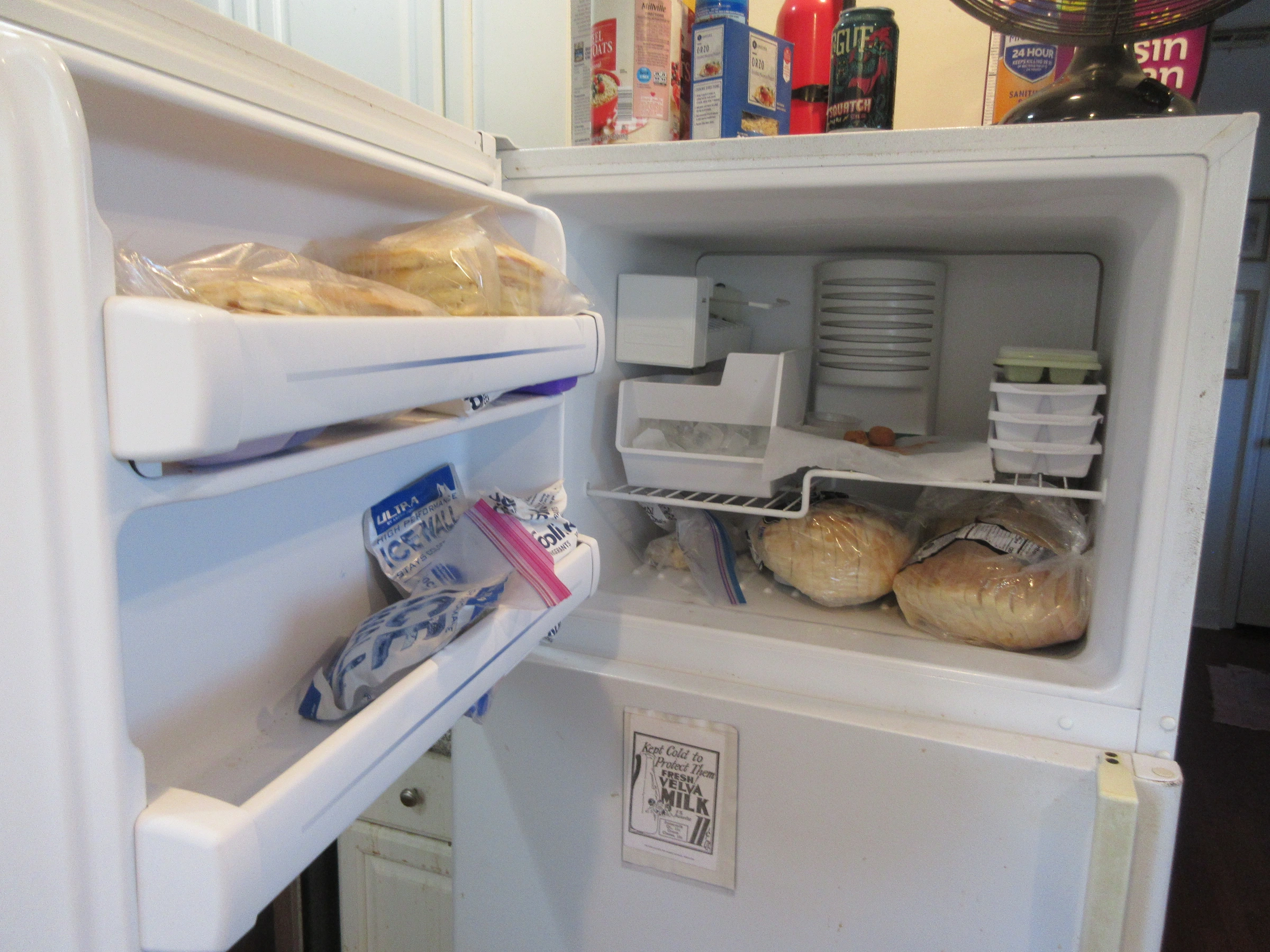
A reader quoted in the submitted manuscript gives diet soda a nickname: “fridge cigarette.” They wonder whether they can give it up. The individual comments have not been independently verified. The phrase still captures the gap between the healthy substitute on the shelf and the can someone reaches for out of habit.
What the study counted
The Brazilian cohort study published in Neurology followed 12,772 adults for about eight years. Their average age at baseline was about 52. A food questionnaire asked about aspartame, saccharin, acesulfame potassium, erythritol, xylitol, sorbitol and tagatose. Those sweeteners turn up in products ranging from diet soda and flavored water to yogurt and low-calorie desserts.
The researchers divided participants into three groups by total intake. The lowest group averaged about 20 mg per day and the highest about 191 mg. The latter is roughly the amount of aspartame in a can of diet soda, a comparison of amounts rather than a description of what participants drank.
The study was corrected on July 30, 2026. The American Academy of Neurology’s updated summary reports that, compared with the lowest group, overall cognitive decline was about 63% faster in the highest group and 36% faster in the middle group. The differences were equivalent to about 1.6 and 1.3 years of additional cognitive aging, respectively. Those percentages describe relative rates.
The age analysis found an association among participants under 60 and did not find one in the older group. The association was stronger among participants with diabetes. Six of the seven sweeteners were associated with decline in the study. Tagatose showed no association in this dataset.
This was an observational study. Diet was self-reported, and metabolic differences and other confounding factors can remain after statistical adjustment. The study did not test what happens when an individual switches from sugar to a particular sweetener.
Why the comments keep coming back to the can
In the manuscript’s account, one commenter says the study gives no reason to quit their fridge cigarette. Another asks whether people with existing metabolic risks already use more substitutes. Someone says they have about 8% body fat and drink six to eight cans of diet soda a day. Another would rather have an older brain than a bigger belly. Water is life, says one. Water has no dopamine, someone answers.
These are reports of what people said. They can show how a drink fits into someone’s day, but a can count and a body-fat claim cannot settle what happens to that person’s health. The commenter who brings up confounding is asking a question the study itself has to contend with.
Erythritol prompted references to research on cardiovascular events, blood clots and brain microvascular endothelial function, and one commenter described avoiding it. Someone else worried about xylitol because they valued its use for teeth. The studies and outcomes differ. Putting the comments together does not turn them into a verdict on either ingredient.
A closer look at the shelf
Stevia, monk fruit, allulose and sucralose were outside the seven sweeteners studied. A package can say “zero sugar” without telling you which compounds, or how much of them, went into the numbers you are reading. An ingredient being absent from the study leaves a question unanswered.
The phrase “fridge cigarette” lets a person admit that a can has become a habit. It needn’t grant the habit a pass or make quitting a test of seriousness. Keep the actual amounts, the limits of the study and the pull of that familiar drink in view together. The label on the shelf cannot choose the next can for you.
Sources
Neurology, corrected article
https://doi.org/10.1212/WNL.0000000000218380
American Academy of Neurology, updated study summary
https://www.aan.com/PressRoom/Home/PressRelease/5281
Cover photograph by Infrogmation of New Orleans · CC BY-SA 2.0
https://commons.wikimedia.org/wiki/File:Freezer_door_open_on_refrigerator_in_home_kitchen_in_New_Orleans,_March_2025.jpg
https://creativecommons.org/licenses/by-sa/2.0/
This article is for reading, reflection and your own judgment. It is not an instruction manual. It is only one part of the world as it exists.
Infrogmation of New Orleans · CC BY-SA 2.0