Gray Vial
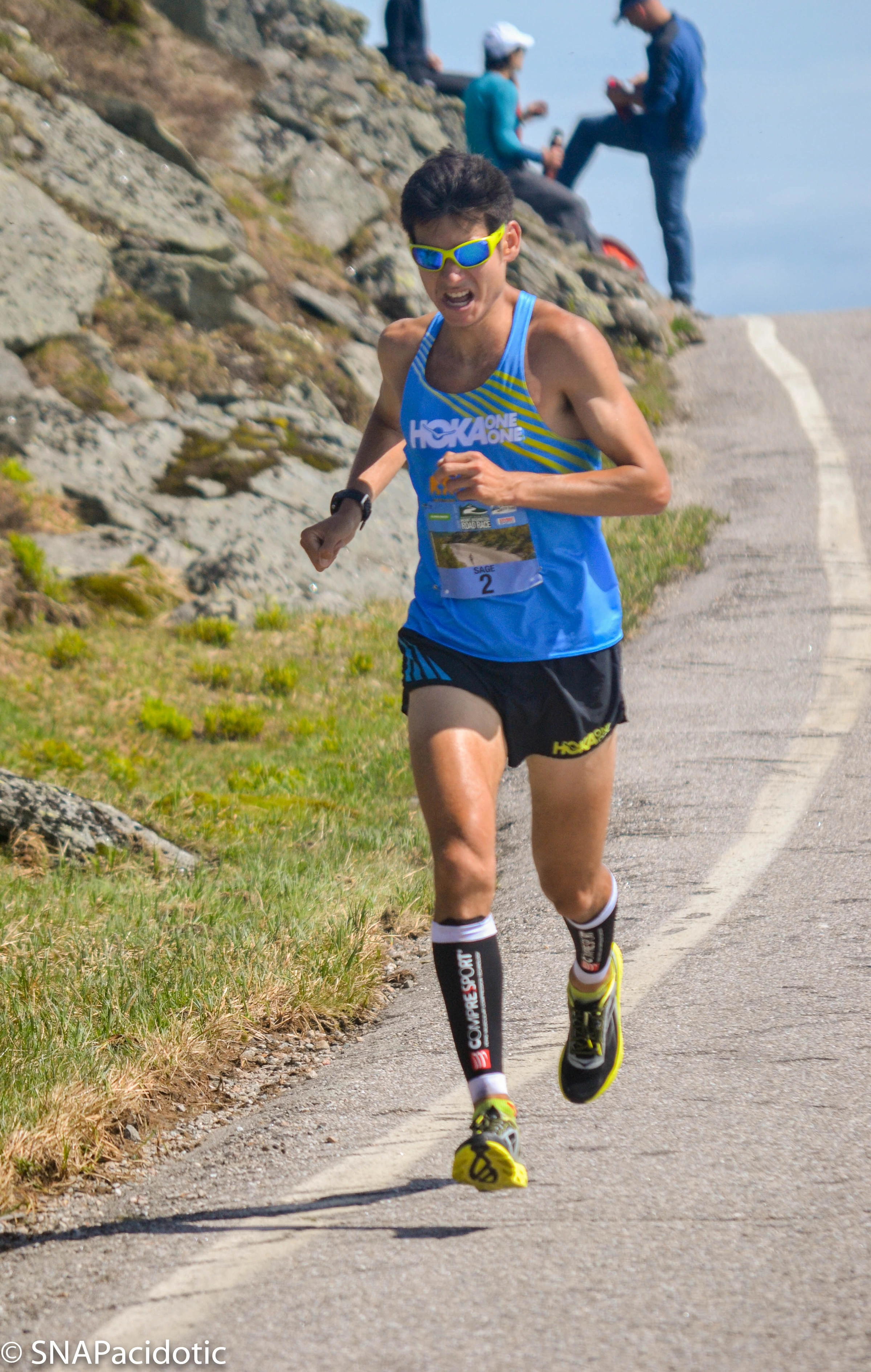
Sage Canaday brought a disillusioned question to AdvancedRunning. How common is doping with banned peptides in marathons and ultras? Faster recovery, pain management and blood flow were the possible gains he named. He wondered how many people were pursuing them.
The top-voted reply teased him for being too fast and too famous to post on the forum. Beyond the joke, the comments turned to uncertain evidence, testing and the people who lose places to competitors who break the rules.
Read together, the thread and its replies offer a discussion, not a measure of how many endurance athletes dope. They cannot speak for every entrant, peptide product or testing system. Nor do they provide a dosing guide. Their value lies in keeping the different questions visible instead of letting disillusionment settle them all.
What is in the vial?
One commenter pointed to a handful of small studies on BPC-157 and linked the public literature. In their view, evidence for many popular peptides remained thin. Anecdotes were unreliable, while people were injecting substances of uncertain strength and efficacy from questionable overseas vendors.
Another commenter, who described a biochemistry background in drug discovery, doubted that most of these peptides did much at all. Purity worried them too, with implications for both efficacy and safety. These are the commenters’ judgments. They do not establish that every peptide works, or that none can work.
A further reply questioned whether unofficial purchases even matched their labels. Someone might think they had bought a peptide and actually receive a more conventional doping agent. When the contents are uncertain, an account of how someone felt afterward leaves a great deal unresolved.
“Everyone is on it” travels easily. Asking which studies support a claim, what samples they used and whether a supplier can account for the contents takes more work. That is the discomfort of the gray vial. Thin evidence cannot excuse a real violation, and it cannot prove that an entire sport is cheating.
The regional field
One commenter could imagine doping among elites but was unconvinced that the average regional runner chasing a local 5K placing was using EPO, exogenous hormones or peptides. That was the level they cared about, and they would not let some share of elite doping make them give up on their own sport.
Others pointed to weak enforcement at regional events and the seriousness with which weekend warriors took their results. Amateur cycling came up as a comparison: why assume running would be exempt? Both positions appeared in the discussion. Neither amounted to reliable prevalence data for all amateur runners.
Shelby Houlihan prompted a separate argument about testing and consequences. Some commenters thought sanctions were too light and argued that steroid-related muscle-building advantages could last. Others stressed how much a four-year ban takes from a short athletic career, particularly around an Olympic year. Reporting that disagreement does not reopen the judgment in an individual case.
The discussion became more concrete around Boston qualification and age-group podiums. One commenter thought doping could nudge the BQ cutoff faster. Another had friends who won age groups at Chicago and would be furious if dopers displaced them. They also worried about access to Boston, New York and Berlin.
Being far from a podium yourself does not make those stakes disappear for the runner beside you. Masters competitors and serious amateurs can care deeply about places and qualifying opportunities without being elites.
Racing under the same rules
One commenter set out a firm position on events governed by USATF, USADA and WADA rules. Entering meant agreeing to the applicable rules. Using banned substances and then racing against people who observed them displaced clean athletes. They applied that concern from elites and Olympic Trials hopefuls to the top of a regional field.
Other commenters said they did not care what fellow age-groupers took because they were nowhere near the podium. The pushback was that indifference lowered the potential cost of doping. Age-group placings, masters competition and opportunities at Boston or UTMB still mattered to someone.
Health risks and permitted aids brought another distinction into the thread. A commenter contrasted the health risks of banned substances with legal aids such as caffeine, bicarbonate, protein and iron. That remains a position expressed in the discussion, not a safety guarantee for a particular product.
A European trail runner described a different competitive setting. They did not believe they had shared a podium with someone using banned substances, but considered NSAID use a major problem in trail running, only partly overlapping with doping. Their mostly sub-ultra races did not necessarily resemble the field Sage had in mind.
Those differences deserve to survive the retelling. Recovery, health and competition rules are connected, but they are not interchangeable questions. Reducing them all to “everyone is on it” makes it harder to say what is known and what, exactly, is being challenged.
Sage’s disillusionment and the commenters’ insistence on evidence can coexist. Independent judgment leaves room for both. It resists condemning an entire field on suspicion, while refusing to dismiss clean competitors because one’s own placing seems unimportant. The next conversation about the gray vial can still ask what evidence supports it, what it contains and which rules its user agreed to follow.
The content of this article is for reading, reflection and personal judgment only. It is not an instruction manual. It is simply one part of the world that exists.
Sage Canaday at the 2017 Mount Washington Road Race. Gianina Lindsey, CC BY 2.0. https://commons.wikimedia.org/wiki/File:DSC_0028_(34606878083).jpg · https://creativecommons.org/licenses/by/2.0/ · WebP, full aspect ratio. · Reddit https://www.reddit.com/r/AdvancedRunning/comments/1xbzilr/banned_peptide_use_in_running_as_peds_how_common/
