Tape Measure and Bundles: Korea Solo Living—Don't Rush the "Must-Buys"
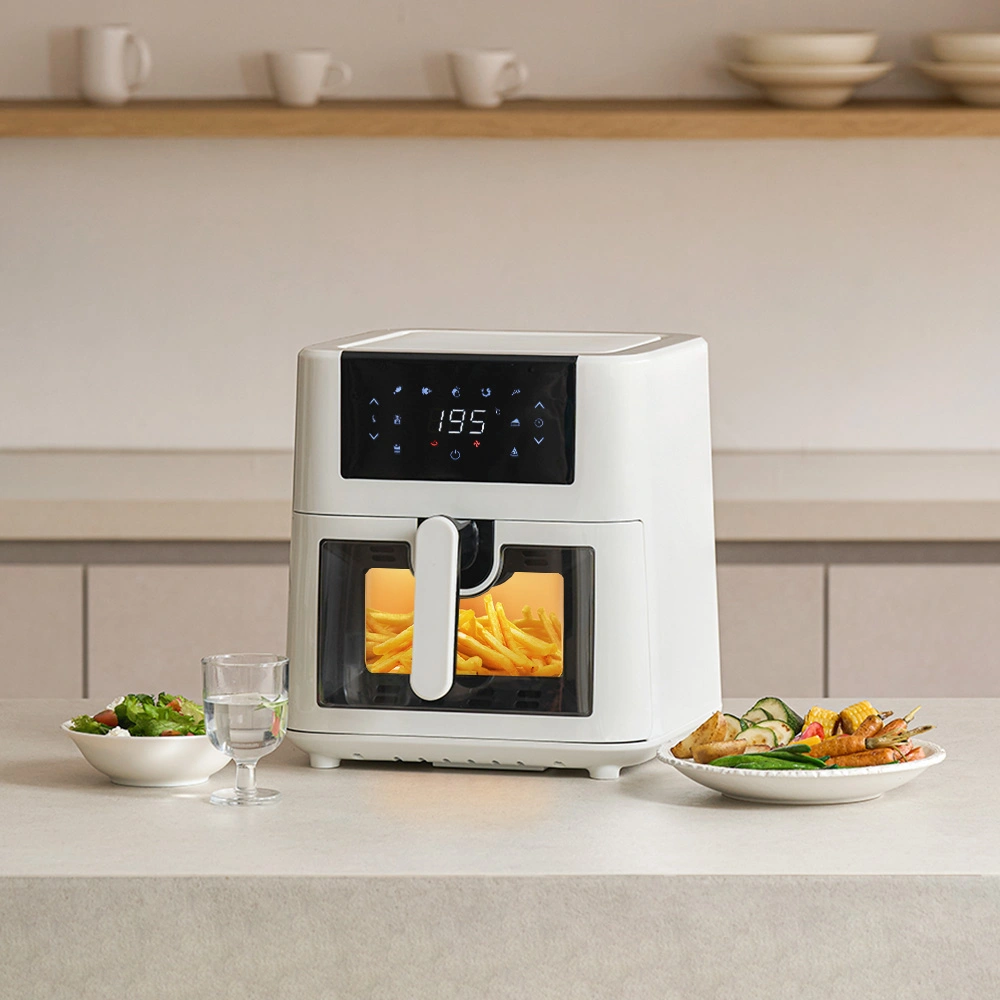
Japanese solo-living pieces love room vibes. Korea's 자취 (renting on your own) is blunter: check what appliances the place already has; worry about bundles later.
Not romantic. Saves you one regret.
Unboxing videos teach the "I'm finally independent" photo. A tape measure teaches you how to survive the first summer. Both are real. Only the second decides whether you reorder in month two.
One-person households in Korea are common now. Young people move into a 원룸 (one-room studio). Open the door: bed, desk, and stove share one view. Share of solo households is already high—no need to call it a "special lifestyle." Sellers push 자취 필수템 (solo-living must-buy lists) packs: washer, fridge, microwave, vacuum in one go—plus fast install and installment plans. People who actually move in spend week one on the same chores: measure fridge width, check the breaker box, crouch to see if the washer is already 옵션 (landlord-included gear).
This piece is not about pretty unboxing. One plain line: check what's included first; bundles later. A bundle looks like "life is complete." The listing tells you whether you already paid for that once.
300k, 700k, 1.5M won: the split sits near 700k
Korean guides are often table-clear. Some split "first appliances" into three budgets: about 300,000 / 700,000 / 1,500,000 won. The blunt takeaway—the better value usually sits near 700k.
The 300k tier is the easy trap. You think you bought a "mini washer," about 3 kg, then it can't wash a duvet; buy again next season and you paid twice. The 1.5M tier can get a slimmer drum, a bigger fridge, even a mini dryer or combination oven—but when you move out, disposal and hauling cost money too.
Around 700k, the usual combo is: a top-loader that can wash a duvet, a 200–300 L two-door fridge, about a 20 L microwave, plus a 3–6 person rice cooker—not luxury, just "no forced reorder soon."
Note: these prices are a snapshot from guides of a certain period, not forever price tags. Keep the structure—too-cheap minis push you to buy again; overbuilt sets become a burden at move-out.
Sellers love bundles because they photograph well. People who've lived there love to unpack the bundle, because every centimeter of a 원룸 counts. Regret from buying twice shows up more than "missing one gadget": someone wrote that ignoring included gear and reordering once burned the mood of 200,000+ won. Numbers change; structure doesn't—the "complete set" you never measured is often the most expensive.
Order gets written in stone too: confirm 옵션 first, then washer, then fridge; decide the rest after a week. That week is not stalling. It lets the room tell you what you lack—not the ads.
Rank survival appliances first; brand stories can wait
If budget is the X-axis, order is the Y-axis.
Priorities from ten years of 자취 often put the microwave as "survival item #1": reheating delivery, thawing convenience food, a ten-minute hot meal after work. More honest than any "smart" pitch. Fridge size follows cooking habits—light cooks can go smaller; heavy cooks need a bigger tier. Some warn that a tiny included fridge is almost useless for a weekly shop.
Washers often rank first—not from loving chores, but from duvets and seasons. Minis look space-saving until "can't do the big job" forces a reorder. Vacuums can be handheld, or a robot later; in a ~12-pyeong place, the charging dock itself steals floor.
There's also a "day one" vs "month two" split. Move-in day: microwave, rice cooker, power strip, router, vacuum, desk, fan or heated pad; pack extra bathroom towels; don't forget a drying rack. After settling: air fryer, kettle, air purifier—when kitchen smells won't leave a 원룸, you'll get why the month-two list exists.
Dehumidifiers in small damp rooms year-round often get called "quiet but useful long-term." Handheld vacuums shouldn't be bulky—oversized docks become new hallway obstacles. Spec articles pile model numbers; what to keep are constraints: can you stand the noise, is the filter washable, can you read the energy grade.
Rice-cooker size shows eating habits. Practical Korean pieces more often suggest 3+ servings for freeze-and-portion. Japan's "one person, one go" machines aren't the mainstream answer here. Not who's more advanced—different eating: finish now vs cook once for days. Side by side, "must-have" was never a universal truth; it's one country's meal rhythm printed on appliances.
Mini appliances in a 원룸: high wants, useful is another story
In community polls, "must-have solo appliances" often look different: robot vac, air fryer, mini dryer, countertop dishwasher, food-waste disposer. Not survival like a fridge, but they keep coming up as online evergreen topics—especially the last few: big wishes, still few owners.
삼신가전 once meant washer, fridge, TV as the marriage trio; in 자취 talk the list rewrites, dishwasher yields to air fryer. Mini dryers get called a fix for rainy season and fine dust—and bring noise and filter costs. Countertop dishwashers sound nice; you still haul water in and waste water out.
Air fryers get a very Korean honest line: "you'll pull it out again eventually." Size up a tier; too small and it sits idle. It also overlaps microwave and oven—so some mark it "buy later," not week-one pioneering.
Dishwashers are wish vs reality.
Food-waste disposers often top wish lists; models around 300,000+ won get discussed, but uptake stays low. They're "imagined essentials": you know they could improve smell and leaving-the-house rhythm, yet leases and drain rules may block them.
Mini appliances aren't better for being cute. Each one asks the same question: does it cut repeat chores, or add footprint and noise?
Community hype and buy order shouldn't mix. A robot can be wish #1 and still shouldn't beat "is there a washer tonight." Wish lists dream; survival order gets you through move week—both matter, different start times.
When you buy, don't forget policy and after-sales
If this Korea piece stopped at product-push, it'd waste its densest part: policy and service often sit inside the buying guides.
High-efficiency subsidies can refund part of power bills or purchase cost, with caps; old appliances can book free pickup; a seven-day cooling-off gives impulse bundles an exit. The shopping path gets stepped: compare specs on price sites first, then check fast install, then brand-mall card deals. Coupang here is more a channel name than a must-open shopping essay.
These lines aren't pretty. They change how "independence" adds up. Independence isn't hauling a full set to prove adulthood. It's checking 옵션, counting double buys, calling recycling, stopping before the breaker maxes out—don't stack microwave and induction blindly; circuit load beats influencer lists.
After-sales and energy grades also enter "how to pick": loud brand, but repair is unaffordable or no house call—that's hidden renting cost. Solo homes have no spare person to queue for exchanges; systems and service networks are infrastructure.
Back to the plain line: check what's included first; bundles later.
Solo living gets redefined here: not "I bought every 필수템," but "I bought in the right order, and I know which costs policy covers." Doing the math isn't stingy. For one-person households it's real freedom—spend on the one thing you actually lack, closer to independence than staging a room like an ad.
Product photograph: Ainick, brand-direct LotteON listing. Full frame preserved.
https://www.lotteon.com/p/product/LO1600706135
Ainick iSA7 7L
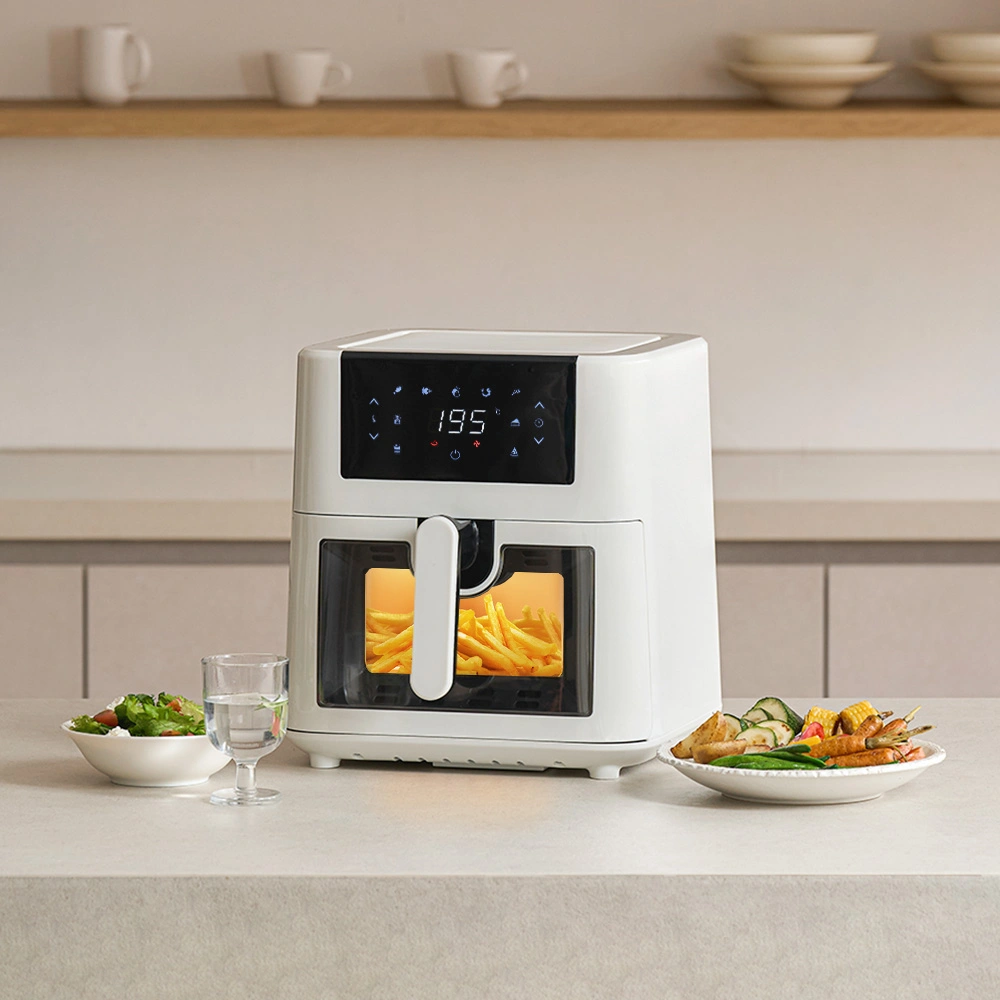
Cream-white iSA7 7L. Listed by the brand’s direct store on LotteON; check capacity and the actual space available before choosing.
iSA7 / 7L / cream white
KRW129,000 · Korea brand-direct reference · 2026-10-19
Ainick · Ainick iSA7 7L
Why L2Mstore selected it
Our selection focus: the 7-litre capacity considered against counter space and portions
Measure the available space, then choose for your actual frequency of use.