Readings on Heavy Legs
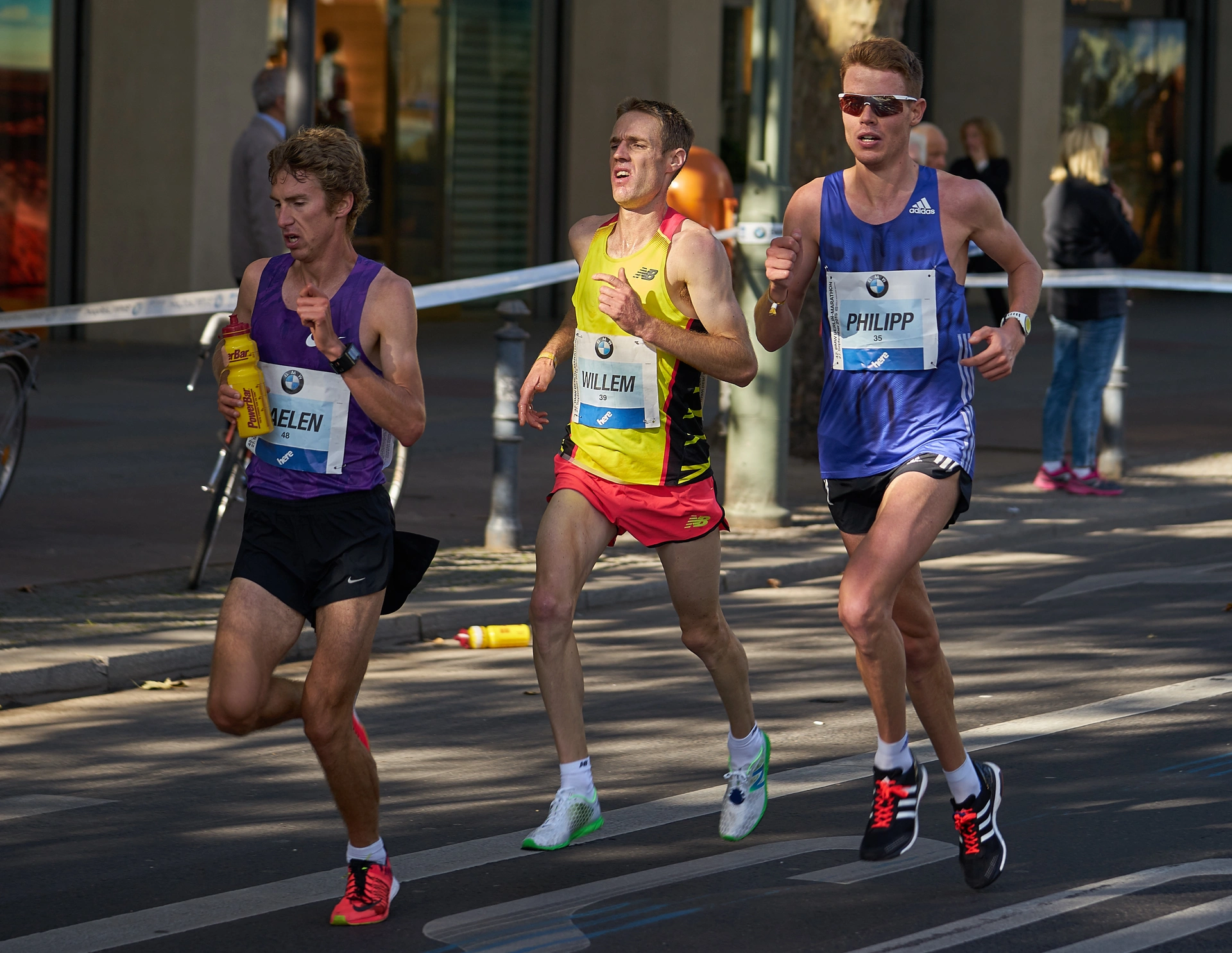
A twenty-five-year-old woman posted on Reddit after running an 18:44 5K during the peak weeks of her marathon block. It felt slow and unpleasant. About a month earlier, in the same block, she had set an 18:10 personal best after a lighter recovery week that amounted to a mini-taper.
The thirty-four seconds need some context. Before the slower race, she had run back-to-back weeks of about 127 km, or 79 miles each. Those followed two consecutive weeks with longer races, a half-marathon personal best of 1:24:03 and a 24 km race at marathon pace rather than all-out effort.
Her question was straightforward. How much do shorter races or time trials suffer at peak mileage? Does anyone still set a personal best because the gains from marathon training outweigh the fatigue? Her account and the replies offer useful comparisons, but one runner, two 5Ks and a comment thread cannot establish a standard penalty for tired legs.
What came before the 5K
A short race can feel like a clean test of current fitness. A fast result is reassuring; a slower one can make the whole block look doubtful. Yet her two results came after different amounts of recovery. The 18:10 followed a lighter week. The 18:44 came after high mileage and recent longer races.
Both belong to the same training block. To compare them sensibly, the times need their training history alongside them. How much had she run that week? How recently had she raced long? Had she reduced the load for this particular 5K? Those questions give the thirty-four seconds something more useful than a verdict.
Thirty seconds, a minute and race preparation
One highly upvoted reply thought a slowdown of about thirty seconds sounded reasonable. Another runner had the same 18:10 personal best and had run 18:42 on tired legs during the previous block. The resemblance is reassuring, though it remains a comparison between individual experiences.
Another commenter said every marathon cycle reminded them that completing a VO2 training block did not put them in peak 5K shape. They thought a slowdown approaching a minute was plausible for someone with substantial aerobic development running around 80 miles, or 129 km, a week. In their view, many runners setting 5K personal bests during marathon training had previously been undertrained aerobically. That was their explanation of individual differences, rather than a rule for everyone.
Someone else pointed out how often runners only enter 5Ks or half marathons as tune-ups during marathon blocks. These shorter races can help practise racing and check fitness, but many of the same runners never train and taper specifically for a 5K outside that block. The preparation behind the comparison is already different.
One runner described finishing a demanding marathon block with a 5K twenty-five seconds slower than their personal best. A few months after the marathon, they gained those twenty-five seconds back and matched the old record. Their advice was blunt, do not use the 5K alone to judge marathon fitness. Another had recently run a heavy-training time trial nearly forty seconds slower than their fresh personal best. Their legs simply did not respond the same way. They still considered an 18:44 under that much fatigue impressive.
A runner who usually lost thirty to forty seconds said they had never set a 5K personal best in a marathon block, yet had managed small 10K improvements even on heavy legs. Someone else predicted the original poster might beat 18:10 about six weeks after the marathon. That was encouragement and a prediction; the eventual result would still depend on recovery and training.
Some runners do improve at peak mileage
The replies included runners who had set 5K personal bests deep in marathon training. Some joked about recognising themselves in the discussion. Others said they were still relatively early in their training and developing aerobically fast enough for the gains to outweigh fatigue.
Training history, aerobic development and experience of preparing specifically for shorter races all affect the comparison. Taking someone else's thirty seconds or minute and applying it to your own result skips the conditions that made their experience meaningful.
Keep the training history with the time
The thread offers neither a reason to ban peak-week 5Ks nor a universal marathon prediction formula. It does give a reason to record tune-ups separately from races reached through dedicated preparation and a taper. Each says something about the conditions in which it was run.
If two high-mileage weeks and recent longer races came before the test, keep that information with the result. An 18:10 and an 18:44 can both belong to the same block. There can be room for fitness to improve while fatigue still makes racing feel poor. Understanding what went into this particular result is more useful than asking one line on a watch to settle the whole question of progress.
Denis Barthel · CC BY-SA 4.0 · https://creativecommons.org/licenses/by-sa/4.0/
https://commons.wikimedia.org/wiki/File:Berlin-Marathon_2015_Runners_14.jpg

Full frame resized and converted to WebP; aspect ratio retained. Adapted image licensed CC BY-SA 4.0.