Salt in the Night Woods
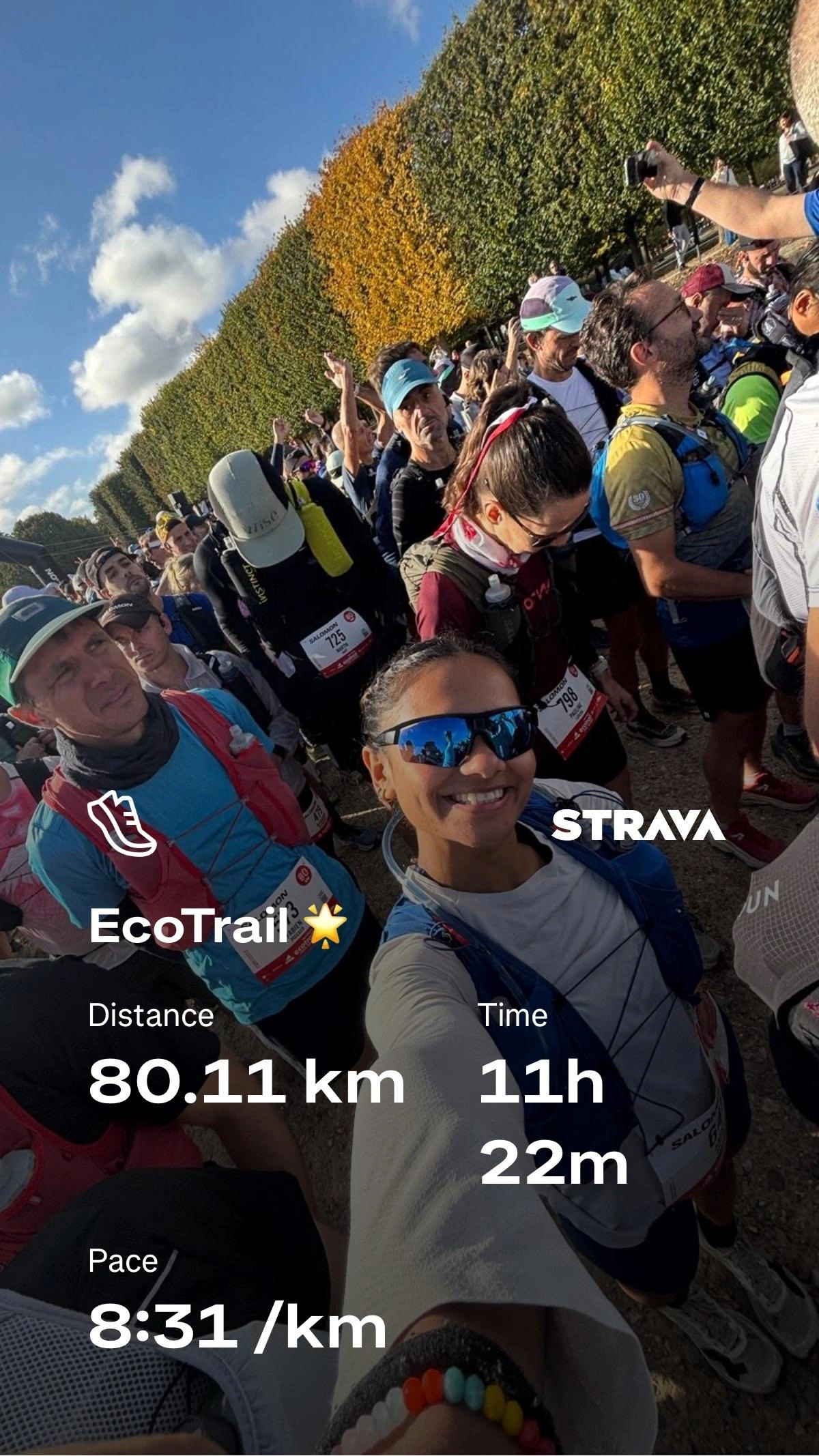
After finishing a first ultra, a poster returned to the channel where they had asked for advice a few months earlier. Could they attempt an ultra without ever having run a marathon? In their recollection, most people said it was impossible; others said it would be brutal. They finished, and thanked the people who had helped.
The discussion drew about 258 upvotes and thirty-odd comments. It offers one person's account and the responses around it, rather than a training prescription. The finish, the salt tabs and the pacing advice all need to be read with that limit in mind.
A finish without a marathon first
One commenter said the idea of skipping a hard thing to try a harder one resonated with them. The poster remembered telling themselves “running hurts so walk, and later walking hurt too so might as well run to get it over with.”
There is satisfaction in that reply, but also a fairly plain account of how difficult moving had become. Reduce the story to finishing without a marathon and that difficulty disappears.
Their finish deserves to be acknowledged. It challenges a blanket judgment about who is qualified, without deciding whether marathon preparation would help someone else. There is no need to turn either skipping the marathon or having yet to run one into a test of character.
Both legs cramped at 28 km
The poster said both legs cramped at about 28 km. Until then they had felt strong. They were frightened because it seemed so early in the race. In their account, things eased after three salt tabs and painkillers, and they continued.
A highly rated reply urged them to avoid painkillers in future races, citing risks to the kidneys and other organs, and suggested building tolerance to pain. Another commenter wondered whether medication could suppress signals worth listening to. These were comments from the discussion, not instructions from this article. The poster agreed with the warning; someone else in the thread said they had not known about the risk.
The account places the salt tabs, medication and subsequent relief in sequence. That does not make three tablets or a dose of medication a method for another runner to copy. The pleasure of finishing can sit alongside the warnings without reducing the whole experience to willpower.
Another reply asked whether an 80 km event was a more “proper ultra.” Others brought the conversation back to pacing, suggesting an easier start and saving the strength spent in the first 20 km for the final 20 km.
The final 10 km and the months before them
The last roughly 10 km were the hardest, the poster said. The forest was completely dark. They were shivering with cold and their legs could barely walk. They kept moving slowly toward the finish because, having suffered so much, they did not want to leave halfway.
Questions about training filled in the preparation behind that finish. Work had limited their running to about 45–50 km a week for the previous three months. They had completed four long runs of about 30 km, with a longest run of about 36 km in the block. During the final 3–4 weeks before the race, they had felt poor and had not wanted to run.
They also cycled to work and rode regularly, covering about 70–100 km a week. They had done many cycling ultras and played football and competed on the track at school. Having no marathon finish did not mean having no endurance background. Limited running mileage and substantial cycling experience were both part of the picture.
A commenter with an aerobic base in cycling and swimming, also without a marathon, was planning a first 50-miler the following summer. They asked how the poster had prepared. The poster recognised a similar background and encouraged them.
Two views on the early pace
The poster's pacing advice came from their own experience. Deliberately slowing down to conserve energy made their legs hurt more. They preferred to settle into their own zone 2, an easy aerobic zone, and maintain it. They offered that advice to the prospective 50-mile runner.
Another commenter said the first 10–20 km should feel easy enough to tempt you to go faster, and that failing to hold back could make the rest of the day much harder. Someone else looked at the poster's average heart rate and said they could not sustain it.
Each response comes with the runner's own experience. Reading the zone 2 advice alongside the cycling background gives it context that a short injunction not to start too slowly cannot carry. Encouragement and caution can remain in the same conversation.
What makes the account worth keeping is the willingness to include the unpleasant parts of finishing. The fear at 28 km and the cold, barely walkable final stretch belong to that result too. Someone else's report can inform a decision; the next entry still has to fit your own preparation and available time.
原帖附图 / Original post image · https://www.reddit.com/r/ultrarunning/comments/1x8tie8/first_ultra_race_report/