Still Unspent
About one hundred dollars a month, accumulating to roughly twelve hundred by the end of the year. Spend it or lose it. A company health stipend sounds like an easy benefit until someone asks what they should actually buy.
The supplied article recounts an amateur runners’ discussion. The poster does not want a coach. Shoes are an option, as is replacing a watch that is about six years old and struggles with GPS in the city. They want something they can keep using, rather than spending the allowance on one-off massages.
Those preferences give the discussion something useful to work with. A good watch, a few pairs of shoes, or reimbursement for races already entered could each make sense. Price alone cannot settle the choice. Nor can this one discussion settle anyone else’s budget or their employer’s reimbursement rules.
What would the shoes or watch actually do?
One highly placed reply suggests a good watch and several pairs of running shoes, covering daily runs, workouts, and racing. That would easily use the budget. Another commenter divides shoes by foam firmness, suggesting softer cushioning for long runs, medium for faster work, and firmer shoes for races. Someone promptly objects that recent carbon race shoes often use very soft foam, and that racing shoes have not been uniformly firm since the original Vaporfly.
The disagreement makes the shopping question more useful. Several pairs only make sense if each has a job in the runner’s training. Spending twelve hundred dollars is easy enough. Getting repeated use from what arrives is a different matter.
The watch question also gets more specific. One commenter describes GPS reception as passive and points out that paying more for a watch cannot strengthen the signal transmitted by a satellite. They say ordinary running watches do not use differential GPS or RTK, and suggest looking at multi-band GNSS to reduce multipath error in cities. They also speculate that the six-year-old watch might already have multi-band reception, so the model should be checked first.
Another runner reports a substantial improvement in city pace tracking after moving from single-band to multi-band. Someone else thinks expensive watches offer little extra value and would rather buy shoes and clothes, with less laundry as a practical benefit. Without the old watch’s model, the comment about its capabilities remains speculation. Checking it is a better starting point than assuming a higher price will solve the problem.
Durable only helps if you will use it
Someone proposes a hex bar, barbell, and plates. The poster replies that leaving the military also left them with very little interest in heavy lifting. These days they mostly do maintenance and core work. The commenter adds that, being over forty, they regard strength work as essential for their own running.
Both responses belong in the decision. Equipment can last for years while still being something its owner does not want to use. Durability needs to be considered alongside interest.
Treadmills produce a similar split. One runner does not particularly enjoy them but values having the option at home. The poster says their apartment building already has treadmills; with harsh Midwest winters in mind, the suggestion appeals. Another reply says they would rather die than run on one. Others describe winter Zwift sessions in a basement “pain cave” and feeling stronger in the legs by spring.
Recovery suggestions include foam rollers, slant boards, and bands, along with flasks for homemade gels and massage guns. A commenter puts Costco compression boots at about one-tenth the price of Normatec. That is a comparison reported in the discussion, not a current quote for verified matching models.
A high-mileage runner says they get five hundred to six hundred miles out of a pair of shoes and use about five pairs a year. They also mention good socks, reflective gear and headlamps for night running, plus armband or chest-strap heart-rate monitors. Small purchases used frequently can account for a meaningful share of the budget. Their list reflects their own mileage and habits, rather than a compulsory shopping list for everyone else.
The races are already on the calendar
Eventually someone asks whether the allowance could cover race registration or travel. The poster has already entered an 8k, a half marathon, and a marathon for next year. If they cannot settle on equipment, they might seek reimbursement for those fees. Another commenter jokes that this sounds like the Chicago distance series.
Someone likes the idea of using a company allowance for a destination race each year. Another would put a new experience ahead of a new object, with a lactate meter as a fallback suggestion if the experience is not an option.
Race fees are an ordinary answer, and that is part of their appeal. The money has already gone toward something the runner wants to do. If the employer’s rules allow it, reimbursement has a clear purpose without creating another purchase merely to use up a balance.
An expiring allowance can make being still unspent feel urgent. Talking about value does not diminish a runner’s commitment, and choosing a flagship watch need not be treated as a failure either. There is room to make an independent choice by asking what the old watch cannot do, which sessions need another pair of shoes, and whether an existing race entry is eligible.
Answer those questions before choosing the next purchase. The things worth keeping on the list are the ones you genuinely expect to use.
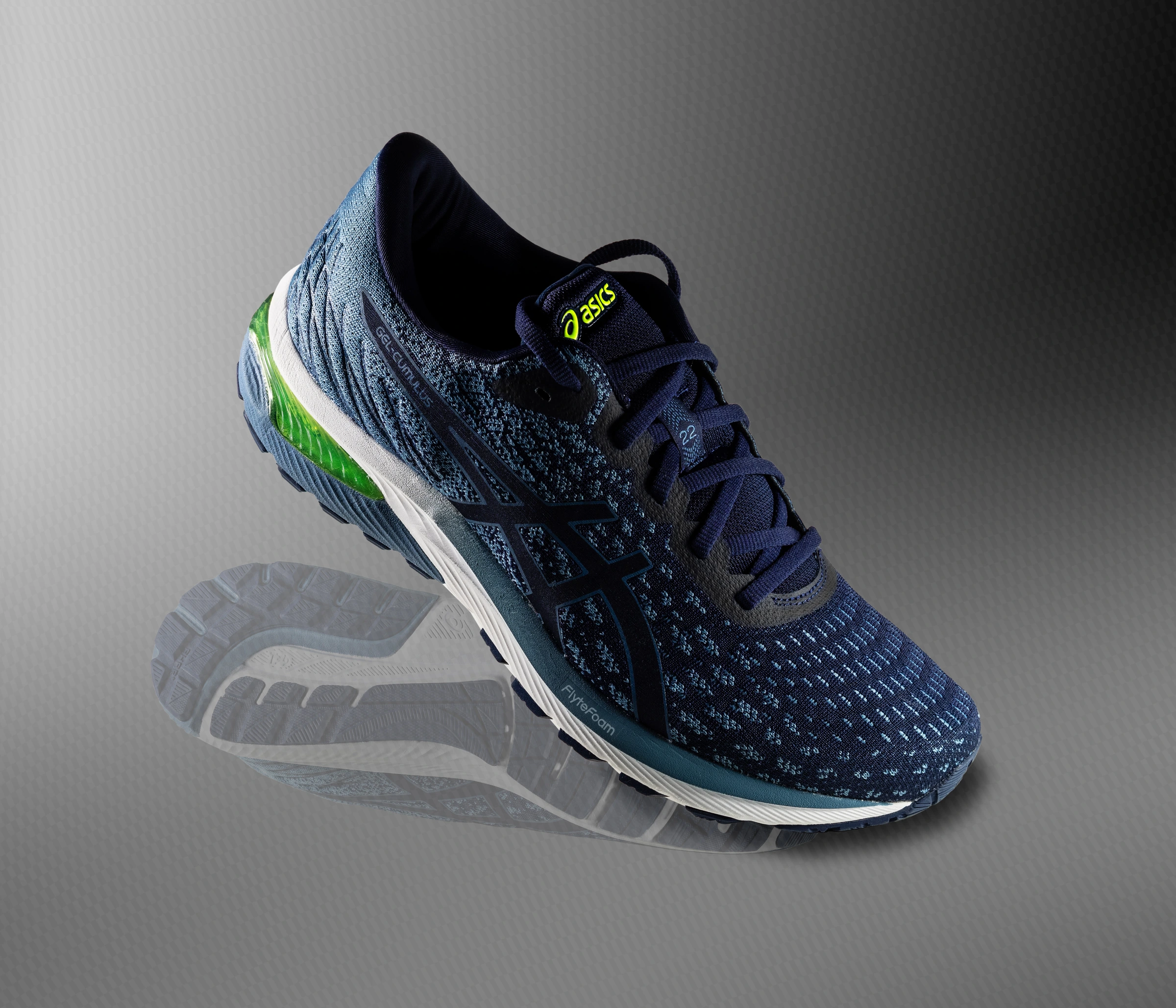
Running shoes, a thematic image; not the poster’s equipment or a purchase recommendation. Petar Milošević, CC BY-SA 4.0. https://commons.wikimedia.org/wiki/File:Asics_Gel-Cumulus_22.jpg · https://creativecommons.org/licenses/by-sa/4.0/ · WebP, full aspect ratio.
