Vest Pharmacy
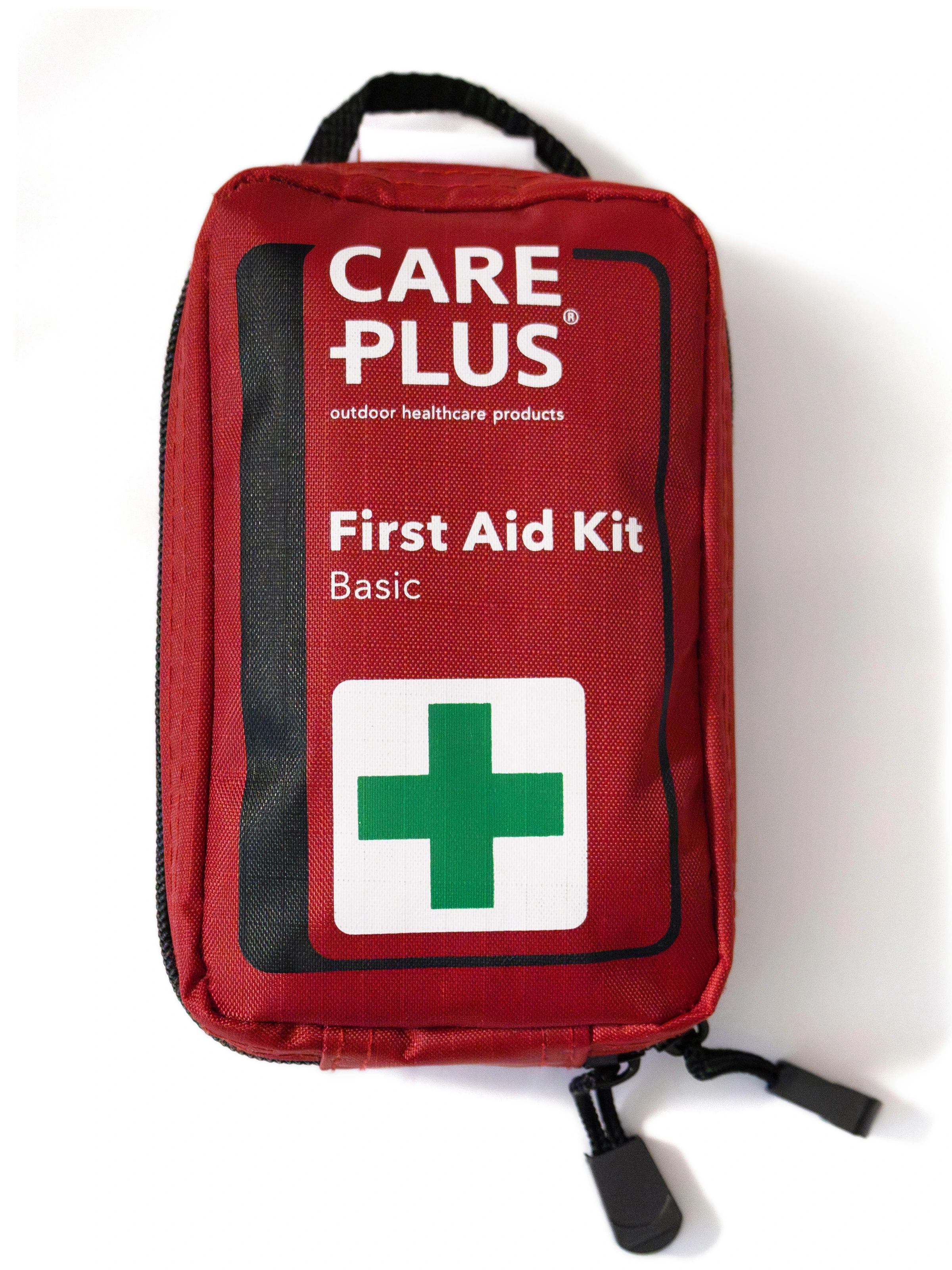
What actually earns a place in an ultrarunner’s first-aid kit? A Reddit poster asked whether people carry a small kit in their vest, a few loose supplies, or rely mainly on aid stations. They also wanted to hear about injuries and the things runners had wished they had brought, especially on longer, more remote routes.
The supplied snapshot recorded about eight upvotes, fifty-nine comments and an upvote ratio of roughly 0.9. Those figures describe that capture, not the ultrarunning community as a whole. The drugs and equipment below are what participants reported carrying. Their accounts offer context, not prescriptions or first-aid instructions to copy.
A kit that gets smaller
One commenter answered with dark humor. Their essentials were an Ace wrap, a windbreaker and trekking poles; if those could not fix the problem, it had been a good life. The joke belongs in its conversational setting, not in an assessment of a serious injury.
Another runner said their supplies had shrunk as they ran more and farther. Blister tape, small band-aids, lubricant, acetaminophen and small scissors remained. Unsupported runs called for water purification, an emergency blanket, an InReach and an emergency bivy. They had used most of it, though not the blanket or bivy; the satellite device had only been used for ordinary communication. Lubricant was the most frequently used item.
That smaller kit comes with conditions. Dealing with friction and blisters is different from waiting for help on an unsupported route. Quoting only the part about carrying less loses the equipment added for the latter.
Required gear and an unopened kit
A participant followed each race’s mandatory kit list and added anti-chafe goo. For training, they kept the previous race’s setup because changing it felt like too much trouble. Having never used anything in the first-aid kit, they wondered whether they had become extremely complacent.
Another runner described their first fifty-mile ultra about a month earlier. Tissues in the vest had helped with a cut that bled heavily. Supplies in the drop bags went unused, but knowing they were there was reassuring. Someone else kept Tylenol, allergy tablets, ginger candies, electrolytes and a large bandage in a small ziplock, alongside lubricant, lip balm, eye drops and migraine medicine. It was thin enough to fit the vest. These were personal contents; whether a medicine is appropriate depends on the individual.
Other comments mentioned a race requirement for a self-adhesive bandage, difficulty sticking band-aids to sweaty skin, and personal use of clotting powder or improvised materials. One participant recalled spending two hours applying pressure to an elbow injury close to home. That is their account, not a suggested waiting period or an instruction to improvise treatment.
Never opening a kit describes what happened on past runs. It cannot settle what the next route requires. Nor does someone’s successful use of tissues establish that tissues are all another runner needs.
Supplies for somebody else
An Australian participant listed a snake-bite bandage, band-aids, non-stick dressings, gloves, a space blanket, pre-cut Fixomull, antiseptic wipes and a little toilet paper. Gloves were for helping another person without getting bodily fluids on their hands. They explained that the particular snake-bite bandage had tension indicators whose rectangles became squares. That product explanation should not be detached from local first-aid guidance.
Someone else said they now carried supplies almost more for others. They had fallen, got up and kept running; for something serious they expected to use their phone and fall sensor. Another person listed a friend, satellite SOS, a whistle and a Mylar blanket. Their concern was an unexpected night waiting for help, and they emphasized having someone know their whereabouts and expected return.
A self-described nurse and former EMT disliked the tactical-tourniquet craze. Their own supplies included an EpiPen for a bee or wasp allergy, basic bandages and blister care. They pointed out that there is no CT scanner or surgeon on the trail; some problems require faster access to more help, which made satellite communication valuable to them. A self-described paramedic mentioned blister supplies, stomach tablets and ibuprofen, while stressing basic first-aid or BLS training and calling qualified help in a genuine emergency.
Racing and remote backcountry travel also raised different expectations. One participant added a small bivy, a light puffy, fire-starting supplies and gauze for an overnight wait. Another reported more than 150 ultras without carrying first-aid supplies, apart from tape and scissors in a hundred-mile drop bag. By contrast, a runner broke a finger before mile three of a first 50k and regretted lacking splint materials. Such different histories do not resolve into one universal list.
One commenter actually called their bag a “pharmacy”: NSAIDs, antacids, salt capsules and vet wrap. When bringing a dog, they added tape and gauze for possible paw injuries.
Before packing the vest
The useful part of this discussion is why each person kept particular items. Some were mainly dealing with chafing and blisters. Others wanted to help a companion, or had to consider a night before rescue arrived. Those conditions tell us more than judging seriousness by the amount of equipment on display.
A reader can compare the mix of training and racing, the event’s requirements and distance from support, then consider personal medical history and first-aid skills. Other people’s accounts provide leads; practical preparation still needs event rules and professional guidance. A lighter vest is easy to measure. Whether the omitted item matches a risk on the next route takes more thought.
Illustrative travel first-aid kit, not a commenter’s actual equipment. Image by Renée Kools via Wikimedia Commons, CC-BY-4.0. https://commons.wikimedia.org/wiki/File:First-aid_travel_kit_1.jpg · https://creativecommons.org/licenses/by/4.0/ · resized / WebP
