Wrist Fog
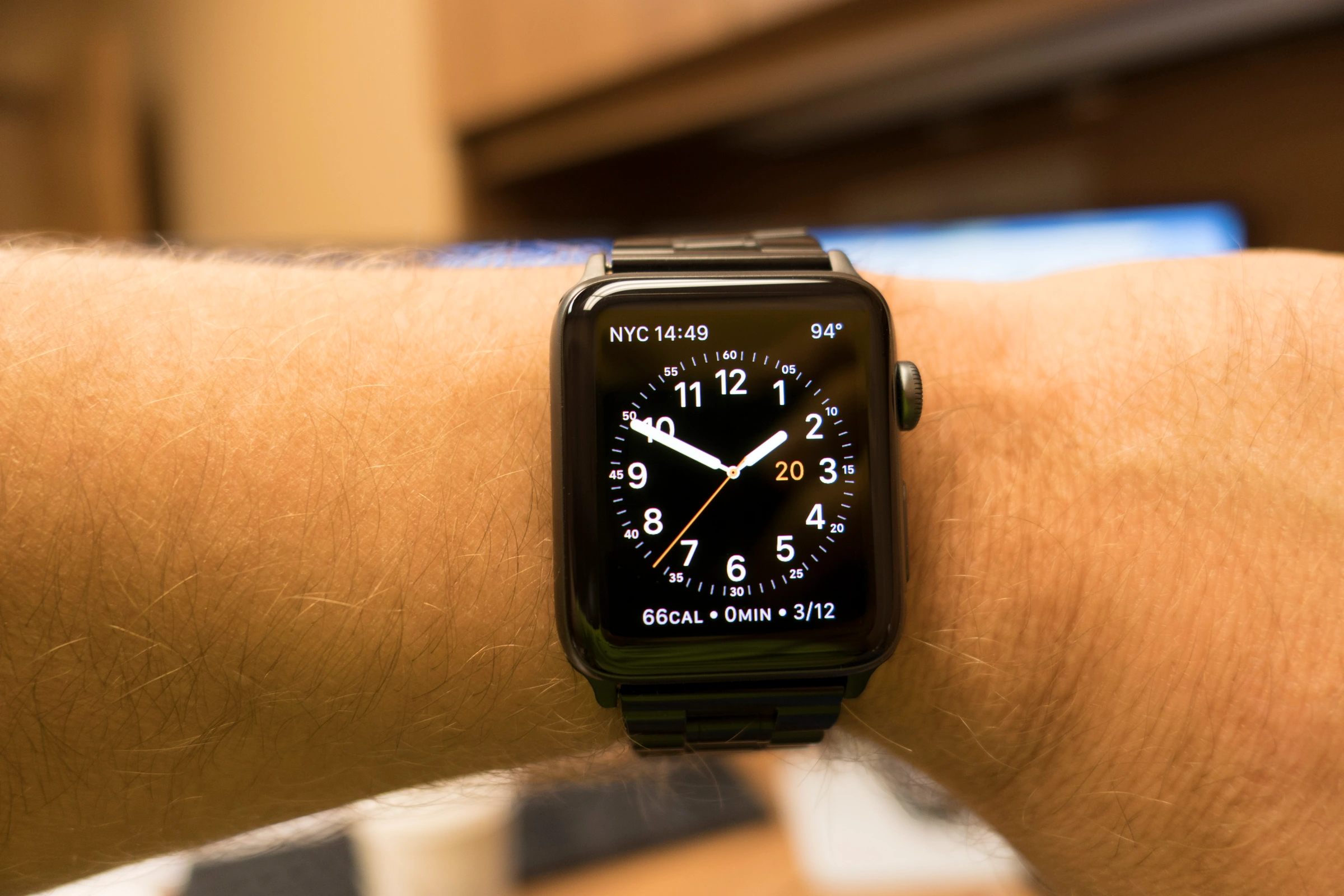
The watch says 85 or higher. The morning still feels tired and foggy. That mismatch opens the Biohackers discussion described in the supplied account: a Garmin wearer wonders whether the tracker is missing something important. Has anyone found the cause, changed something that helped, or simply stopped trusting the score?
A good number does not make the fatigue disappear. A tired morning does not, by itself, make the watch useless either. The useful question lies between those reactions. This account brings together community self-reports and published research; the comments do not establish a diagnosis.
A good score can leave a question unanswered
One commenter points out that sleeping well is only part of waking refreshed. Wrist trackers can show broad trends, but their sleep-stage estimates have limits. The discussion mentions low iron, depression, burnout and low vitamin D as possible considerations around fatigue. Those suggestions do not establish that any of them explains the original poster’s experience.
Another commenter offers an explicitly personal, n=1 account: with extremely low ferritin, the sleep scores still looked good, sometimes even better, while mornings remained unrefreshing and daytime fatigue persisted. The experience illustrates a possible mismatch; it does not identify the cause of anyone else’s fatigue. Someone else calls 85 a passing score rather than an excellent one and asks which parameters are falling short. Another estimates roughly 60 percent correlation between their feelings and their watch. That is a personal estimate, not a measured accuracy figure from a study.
Even the time of falling asleep can be wrong
Some disagreements concern the clock before they concern sleep stages. One person reports being asleep at 10 p.m. while the watch records 11:30, with a similar problem on another tracker. Someone else remembers checking the time while awake until 1 a.m., yet the device records sleep from 11 p.m.; lying still appears to have confused the estimate. Other accounts describe several hours missing from sleep duration, or quiet phone use being logged as a nap.
Research offers a separate way to examine those limits. Compared with polysomnography, consumer wrist devices often detect sleep more readily than wakefulness, while agreement on sleep stages is limited. In a 2022 comparison of six devices, the Garmin Forerunner 245 Music had a multi-state classification kappa of about 0.25. That result belongs to a particular device and study setting. It is not a verdict on every Garmin watch, or on the poster’s night. The supplied account also cites reports of the Vivosmart 4 overestimating total sleep and some sleep stages. Models, algorithms and study conditions still need to be distinguished.
These discrepancies make both duration and sleep quality matters of interpretation. Recording how the morning felt alongside the watch data keeps the difference between 10 p.m. and 11:30 visible instead of allowing the total score to erase it.
Keeping a tool without giving it the final word
The discussion does not settle on throwing the watch away. One commenter argues that scores remain useful: in their understanding, four hours can still produce a high score with a deduction for duration, and heart rate, breathing and skin temperature add context. That is a commenter’s interpretation, not a verified description of every model’s scoring system.
Another reports feeling worse after more than seven hours. Nine p.m. to 4 a.m. feels good to them; 10 p.m. to 5 a.m. or 8 p.m. to 3 a.m. does not. They prefer changing one thing at a time and trying it several times, and mention better sleep after nighttime flossing. These are specific observations from one life. They do not establish what caused the change, or a schedule or habit that should work for everyone.
Other experiences pull in the opposite direction: a “good sleep” assessment after fewer than six hours, random naps assigned during phone use, even a suggestion to go to bed at 5 a.m. Comments also raise micronutrient and hormone bloodwork, or a sleep study if needed. Those are suggestions in a discussion, not a testing checklist that follows from a sleep score.
Wrist fog names the part that remains unexplained between the number and the morning. Independent judgment need not be demonstrated by rejecting all devices or by producing a green screenshot. It can mean continuing to watch the trends while noting whether waking felt restorative, whether sleep onset was recorded correctly, and which explanations still lack evidence. Those untidy notes may get closer to the original question than another high score does.
Nothing in this discussion guarantees a clear head tomorrow. A score captures part of the night, and the person’s experience deserves attention too. Keeping both in the record is more useful than rushing to declare either one the winner.
The content of this article is only for viewing, reflection and independent judgment. It is not an instruction manual. It is simply a part of what exists in the world.
Illustrative wrist-worn device; not the poster’s watch or a device shown in the study. Jonathan Cutrer / CC BY 2.0. https://jcutrer.com https://commons.wikimedia.org/wiki/File:Black_Apple_Watch_on_my_wrist_-jcutrer_(35908678402).jpg https://creativecommons.org/licenses/by/2.0/ Full frame retained; resized and compressed to WebP.
