False Fair Weather on the Wrist
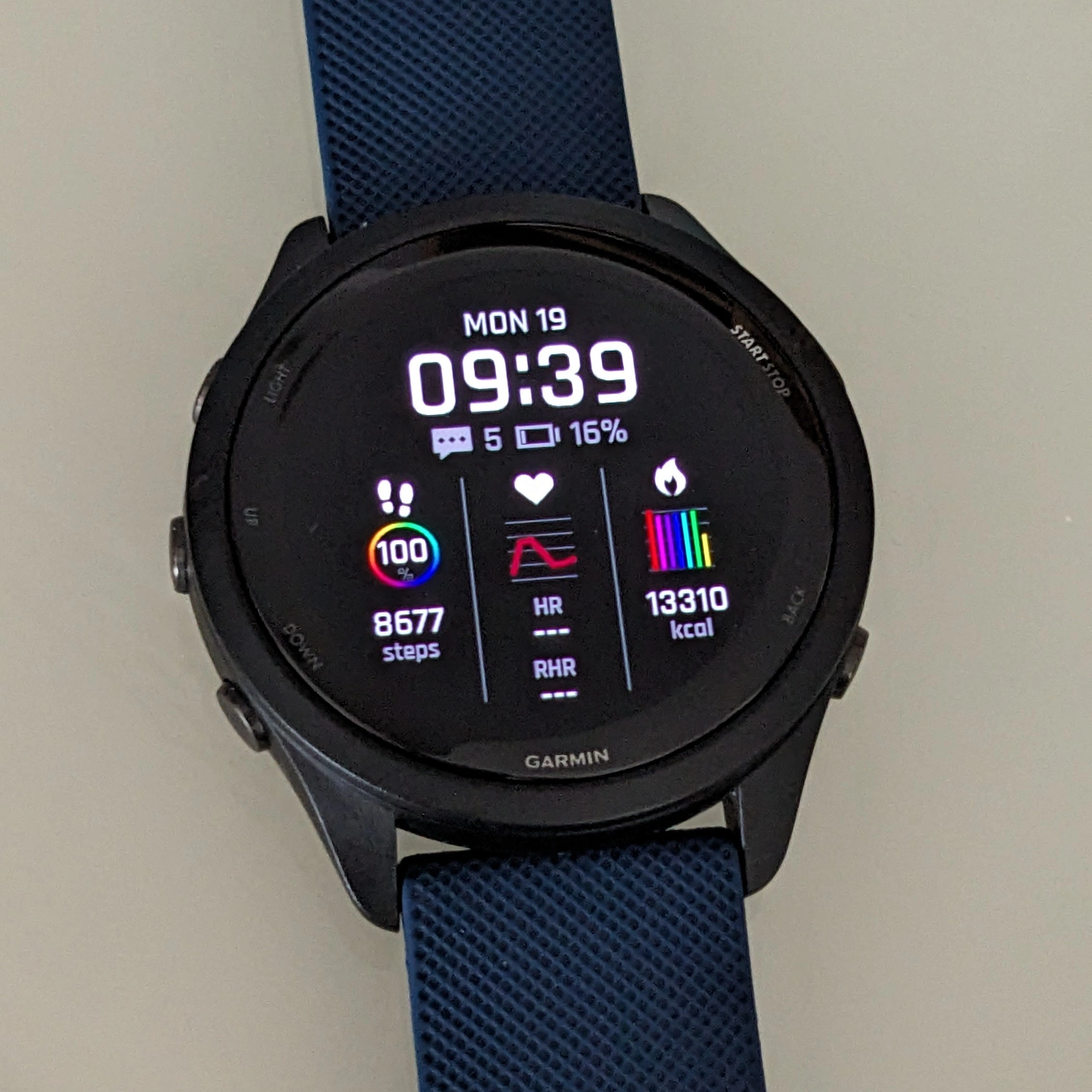
Heart rate, pace and load can all look normal on a running watch while a tempo session falls apart. Training culture makes it easy to read that gap as a failure of willpower. No warning in the numbers, so keep grinding. That mismatch is the “false fair weather on the wrist” at the centre of this discussion.
The blogger describes themselves as a PhD student studying mental fatigue and sport performance. Their early reading focused on research into a single prolonged mental task. Everyday life, they point out, involves multitasking and context switches that call on executive functions. Getting home does not necessarily bring full recovery. In their account, mental fatigue can accumulate while the watch continues to look reassuring.
This article draws on the collected account and comments. At the time of collection, the post had a score of around sixteen and about nine comments. That is a small discussion, not a survey of every study or watch brand. The training adjustments described below are the blogger’s suggestions, rather than a prescription for an individual runner.
Normal readings, earlier exhaustion
The blogger cites Marcora and colleagues’ 2009 study. After ninety minutes of demanding mental work, participants cycled to exhaustion about 15% sooner than after watching a documentary. Heart rate and blood lactate did not differ significantly.
That result makes a single heart-rate reading a poor explanation of an entire session. The body can still be working while mental effort changes how demanding the exercise feels. The blogger connects this with a familiar running frustration: the watch records an apparently normal day, yet the tempo session collapses or exhaustion arrives sooner than expected. The cycling experiment and the running experiences have different scopes. Both deserve attention without being treated as interchangeable.
A bad day or a bad block?
The harder question, for the blogger, is how long the problem has been building. Russell and colleagues’ 2019 research records elite athletes and staff describing mental fatigue accumulating within a day and across weeks. One difficult session and a sustained stretch of difficulty call for attention to different time scales.
The blogger also draws on Van Cutsem and colleagues’ 2017 review, in which endurance performance was affected by mental fatigue while maximum strength and power did not show the same effect. Their suggested response to a bad day is to move the long session or consider something shorter and more intense. After roughly three weeks of grinding, they favour finding a manageable minimum and building back slowly.
Those are suggestions made in the post. Three weeks is the time frame used in this discussion, not a universal threshold for every runner. The blogger acknowledges that distinguishing a bad day from a bad block currently involves considerable guesswork.
They say they are validating two short questionnaires, one about the present moment and one about the preceding few weeks. The distinction matters to their question: beyond how you feel, what do you currently use to tell the two situations apart?
What an easy run tells you
One commenter mostly relies on how easy runs feel, while admitting that this is not particularly scientific. Dragging through a slow five-miler for a week straight feels like more than a bad day. A single session with legs like bricks can be written off as an isolated event.
The real mindfuck, in their description, is that the watch data looks the same. The body is doing the work, the brain has checked out, and the numbers fail to show the difference.
Other commenters examine the questionnaire wording. One item seems to ask two things at once; later sliding scales lack a clear reference point. Some say the post reads like machine translation or empty text, with paragraphs that do not connect. Those reactions belong to the discussion. Criticism of its wording does not by itself settle the value of the research or the person behind it.
Leave room for how it feels
The useful part of this exchange is the room it leaves for both watch data and subjective experience. An unchanged heart rate may not explain why a session feels unusually difficult. One heavy-legged run differs from a week in which even easy running feels hard. Duration helps put those experiences in context.
Wanting to trust the watch can coexist with being afraid of looking fragile. Neither feeling requires an immediate verdict about willpower. The commenter’s five-mile example is theirs; the blogger’s suggested adjustments are theirs too. They can inform a conversation without deciding your next tempo session.
Numbers offer information, and so does experience. Independence here means keeping their limits in view and taking enough time to ask how long this particular fatigue has lasted before deciding what to do with the schedule.
3r1ccc · CC0 1.0 · https://creativecommons.org/publicdomain/zero/1.0/ · https://commons.wikimedia.org/wiki/File:Forerunner_265.jpg · resized/WebP
